Murder Laws in India: IPC Section 302 Explained with Punishments & Case Examples

Murder Laws in India: Murder is one of the most serious criminal offences under Indian law. The legal framework dealing with murder is primarily governed by Section 302 of the Indian Penal Code (IPC), which prescribes strict punishments for those found guilty. Understanding murder laws is essential not only for legal professionals but also for […]
Arbitration in India

Arbitration in India: A Practical Guide to Fast & Effective Dispute Resolution In today’s fast-paced commercial environment, resolving disputes quickly and efficiently is crucial for businesses and individuals alike. Traditional litigation in courts can be time-consuming, expensive, and complex. This is where arbitration emerges as a powerful alternative. Arbitration in India has gained significant traction […]
Cyber Crime Explained: Rights, Laws & Prevention Tips from Experts
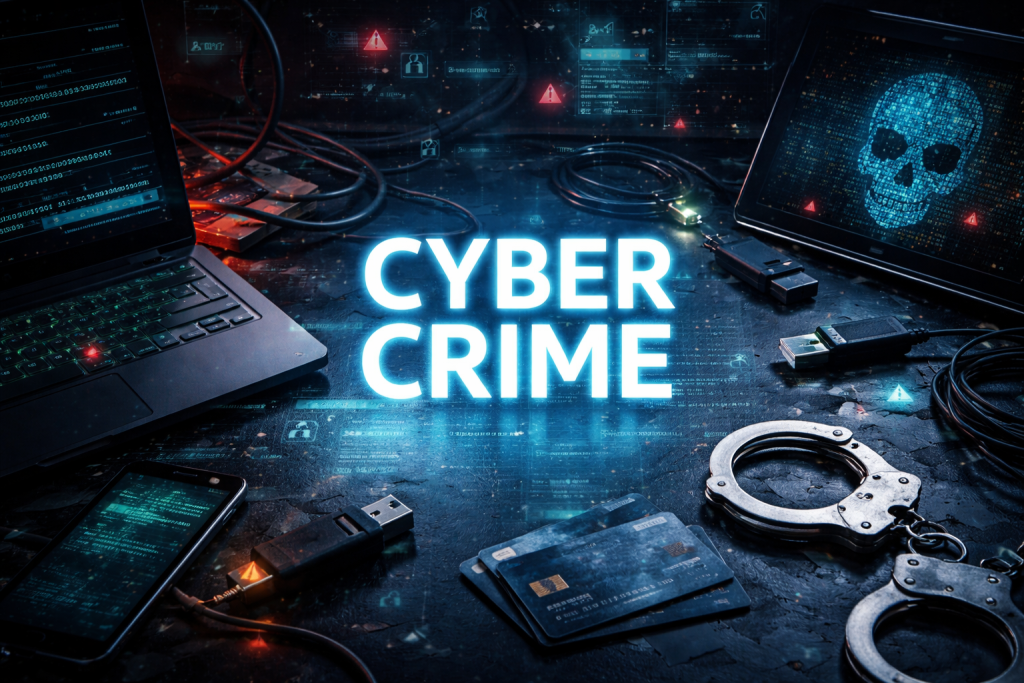
Cyber Crime Explained: In today’s digital era, where almost every aspect of life—from banking to communication—happens online, cyber crime has emerged as a serious threat to individuals, businesses, and governments alike. With increasing internet penetration and smartphone usage, especially in countries like India, cyber crimes are becoming more sophisticated and widespread. Understanding cyber crime, knowing […]
Rape Law in India 2026: FIR, Medical Test, Evidence & Court Trial Guide
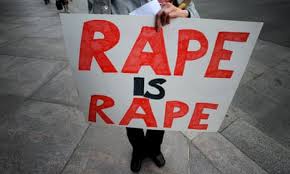
Rape Law in India 2026: Rape is one of the most serious criminal offences in India, and the legal system has evolved significantly to ensure justice, dignity, and protection for survivors. Understanding the legal process—from filing an FIR to the court trial—is essential for victims, families, and even legal professionals. This guide explains the complete […]
Divorce Settlement Laws in India: Alimony, Custody, and Property Rights

Divorce is a significant legal process that formally dissolves a marriage and resolves the rights and responsibilities of both spouses. In India, divorce settlements involve several important legal aspects, including alimony, child custody, and division of property. These matters are governed by various family laws depending on the religion and personal laws applicable to the […]
POCSO Act in India: Complete Legal Guide to Child Protection, Reporting, and Legal Procedures

POCSO Act in India: The safety and protection of children are fundamental responsibilities of any society. In India, the government introduced a strong legal framework to safeguard minors from sexual offences through the Protection of Children from Sexual Offences Act, 2012, commonly known as the POCSO Act. This law was enacted to specifically address crimes […]
Arbitration, Conciliation & ODR: Modern Dispute Resolution in India
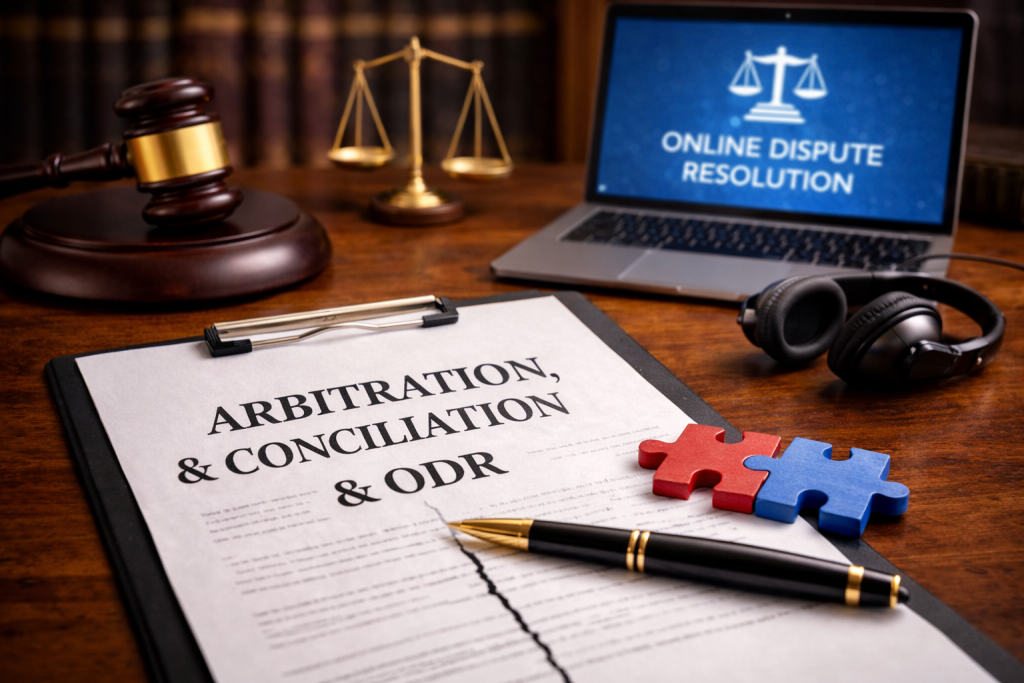
In today’s fast-paced business world, disputes are inevitable, whether between companies, service providers, or consumers. Traditional litigation is often time-consuming, expensive, and public. To address these challenges, India has embraced alternative dispute resolution (ADR) mechanisms like Arbitration, Conciliation, and Online Dispute Resolution (ODR). These tools provide faster, cost-effective, and confidential solutions for resolving disputes while […]
Cheque Bounce Laws Demystified: What You Need to Know in India

Cheque Bounce Laws Demystified: Cheque bounce, legally termed as “dishonor of cheque,” is a common financial dispute in India that can have serious legal consequences. Despite its frequency, many individuals and businesses remain unaware of their rights and remedies under Indian law. This guide explains the legal framework, procedures, and practical steps to handle cheque […]
Child Custody and Maintenance Under Indian Family Law: Key Legal Provisions

Child Custody and Maintenance Under Indian Family Law: Child custody and maintenance are among the most sensitive and important issues addressed under Indian family law. When parents separate or divorce, the welfare and financial security of the child become the primary concern of the legal system. Courts in India focus on ensuring that children receive […]
Cheque Bounce Under Section 138: Your Legal Rights and Responsibilities

Cheque bounce is one of the most common financial disputes in India, affecting both individuals and businesses. In the Indian legal framework, Section 138 of the Negotiable Instruments Act, 1881 specifically addresses the consequences of cheque dishonor due to insufficient funds, signature mismatch, or other reasons. Understanding your legal rights and responsibilities under this section […]